By: Marshall Ramsey II, Worthy News U.S. Correspondent
ABU TBEIRA, Iraq (WorthyNews) -- "Unto Shem also, the father of all the children of Eber, the brother of Japheth the elder, even to him were children born. The children of Shem; Elam, and Asshur, and Arphaxad, and Lud, and Aram. And Arphaxad begat Salah; and Salah begat Eber." Genesis 10:21, 21, 24 This may sound like the start of a sermon, but it is believed to be the key to understanding archaeological finds and understanding what life was like for the biblical patriarchs.
On Tuesday, February 18, 2014, archaeologists Stuart Campbell and Jane Moon from the University of Manchester, along with Moon's husband, Robert Killick, were back in Iraq, digging up the past at the Tell Khaiber site near the city of Ur.
Tell Khaiber about 20 km (13 mi) away from the ancient city of Ur, birthplace of the biblical patriarch Abraham. It is named after Abraham's 4X great-grandfather, Eber, who ruled Mesopotamia approximately 4,000 years ago.
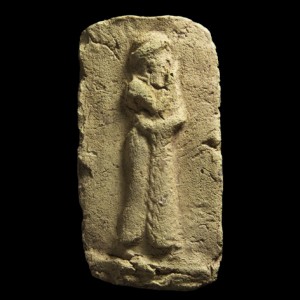
Among the finds at the Tell Khaiber site are a clay figure of a man who appears to be a priest of some sort. It is believed by Dr. Killick and others to be a possible image of Eber himself, who is the great grandson of Shem the son of Noah, from where we get the words Semitic and Semite. Below is a picture of the figure that was found in 2013:

What is also interesting is the fact that one of their excavation sites near Tell Khaiber, Abu Tbeira, appears to have been founded either by, or in honor of Salah, the father of Eber.
Tracing out the meaning of the name, Abu Tbeira is an Arabic name meaning "father of Eber." Even though Abu Tbeira isn't as famous as Tell Khaiber, it nonetheless holds significance as it shows an overlapping rule of both father and son in the same general area. This is similar to the practice of the Egyptians in that, even though one pharaoh was chief ruler, after a certain time, the previous pharaoh, known by the title Abimelech in the Bible, would move to another location and rule from there, leaving the bulk of the authority resting on the shoulders of his son.
One of the best known records of this practice is found in the book of Genesis chapter 20. It relates how Abraham, during a time of famine came into Egypt to live there to escape the famine. It tells of how Abraham told the men of Egypt (they were in Gerar) that his wife, Sarah, was his sister, how Abimelech took her and would have lain with her had God not prevented him from doing so. This is backed up in what people call Egyptian mythology concerning the descent of Horus into the underworld, his crossing the reed sea (the Red Sea is named after this), and his ascent to the "mount of God" where he would eventually become Osiris.
The tale of Osiris, Isis, and Horus is actually a historical recording of some of the characters of the Bible. Osiris, whom the Bible calls Mizraim, was about to go to war against his brother Phut, known in Egyptian mythology as Set. On the night before the battle, Mizraim has sex with his wife, whom we call Isis. Unbeknownst to both of them, "Isis" gets pregnant. Mizraim/Osiris dies in battle the next day, his body is dismembered and set adrift, eventually landing in Canaan near the area that would eventually be called Gerar.
Horus's real name is Caphtor, the son of Mizraim. Eventually, he acquires the name Apollo and, with the consent of his mother, is raised for a time by Zarah ben Judah and one of his wives. Greek mythology records them as Zeus and Leto.
Source articles: http://uk.mobile.reuters.com/article/lifestyleMolt/idUKBREA1H09N20140218, http://av1611.com/kjbp/kjv-bible-text/Ge-11.html, http://en.wikipedia.org/wiki/Osiris_myth,
ABU TBEIRA, Iraq (WorthyNews) -- "Unto Shem also, the father of all the children of Eber, the brother of Japheth the elder, even to him were children born. The children of Shem; Elam, and Asshur, and Arphaxad, and Lud, and Aram. And Arphaxad begat Salah; and Salah begat Eber." Genesis 10:21, 21, 24 This may sound like the start of a sermon, but it is believed to be the key to understanding archaeological finds and understanding what life was like for the biblical patriarchs.
On Tuesday, February 18, 2014, archaeologists Stuart Campbell and Jane Moon from the University of Manchester, along with Moon's husband, Robert Killick, were back in Iraq, digging up the past at the Tell Khaiber site near the city of Ur.
Tell Khaiber about 20 km (13 mi) away from the ancient city of Ur, birthplace of the biblical patriarch Abraham. It is named after Abraham's 4X great-grandfather, Eber, who ruled Mesopotamia approximately 4,000 years ago.
Among the finds at the Tell Khaiber site are a clay figure of a man who appears to be a priest of some sort. It is believed by Dr. Killick and others to be a possible image of Eber himself, who is the great grandson of Shem the son of Noah, from where we get the words Semitic and Semite. Below is a picture of the figure that was found in 2013:
What is also interesting is the fact that one of their excavation sites near Tell Khaiber, Abu Tbeira, appears to have been founded either by, or in honor of Salah, the father of Eber.
Tracing out the meaning of the name, Abu Tbeira is an Arabic name meaning "father of Eber." Even though Abu Tbeira isn't as famous as Tell Khaiber, it nonetheless holds significance as it shows an overlapping rule of both father and son in the same general area. This is similar to the practice of the Egyptians in that, even though one pharaoh was chief ruler, after a certain time, the previous pharaoh, known by the title Abimelech in the Bible, would move to another location and rule from there, leaving the bulk of the authority resting on the shoulders of his son.
One of the best known records of this practice is found in the book of Genesis chapter 20. It relates how Abraham, during a time of famine came into Egypt to live there to escape the famine. It tells of how Abraham told the men of Egypt (they were in Gerar) that his wife, Sarah, was his sister, how Abimelech took her and would have lain with her had God not prevented him from doing so. This is backed up in what people call Egyptian mythology concerning the descent of Horus into the underworld, his crossing the reed sea (the Red Sea is named after this), and his ascent to the "mount of God" where he would eventually become Osiris.
The tale of Osiris, Isis, and Horus is actually a historical recording of some of the characters of the Bible. Osiris, whom the Bible calls Mizraim, was about to go to war against his brother Phut, known in Egyptian mythology as Set. On the night before the battle, Mizraim has sex with his wife, whom we call Isis. Unbeknownst to both of them, "Isis" gets pregnant. Mizraim/Osiris dies in battle the next day, his body is dismembered and set adrift, eventually landing in Canaan near the area that would eventually be called Gerar.
Horus's real name is Caphtor, the son of Mizraim. Eventually, he acquires the name Apollo and, with the consent of his mother, is raised for a time by Zarah ben Judah and one of his wives. Greek mythology records them as Zeus and Leto.
Source articles: http://uk.mobile.reuters.com/article/lifestyleMolt/idUKBREA1H09N20140218, http://av1611.com/kjbp/kjv-bible-text/Ge-11.html, http://en.wikipedia.org/wiki/Osiris_myth,

