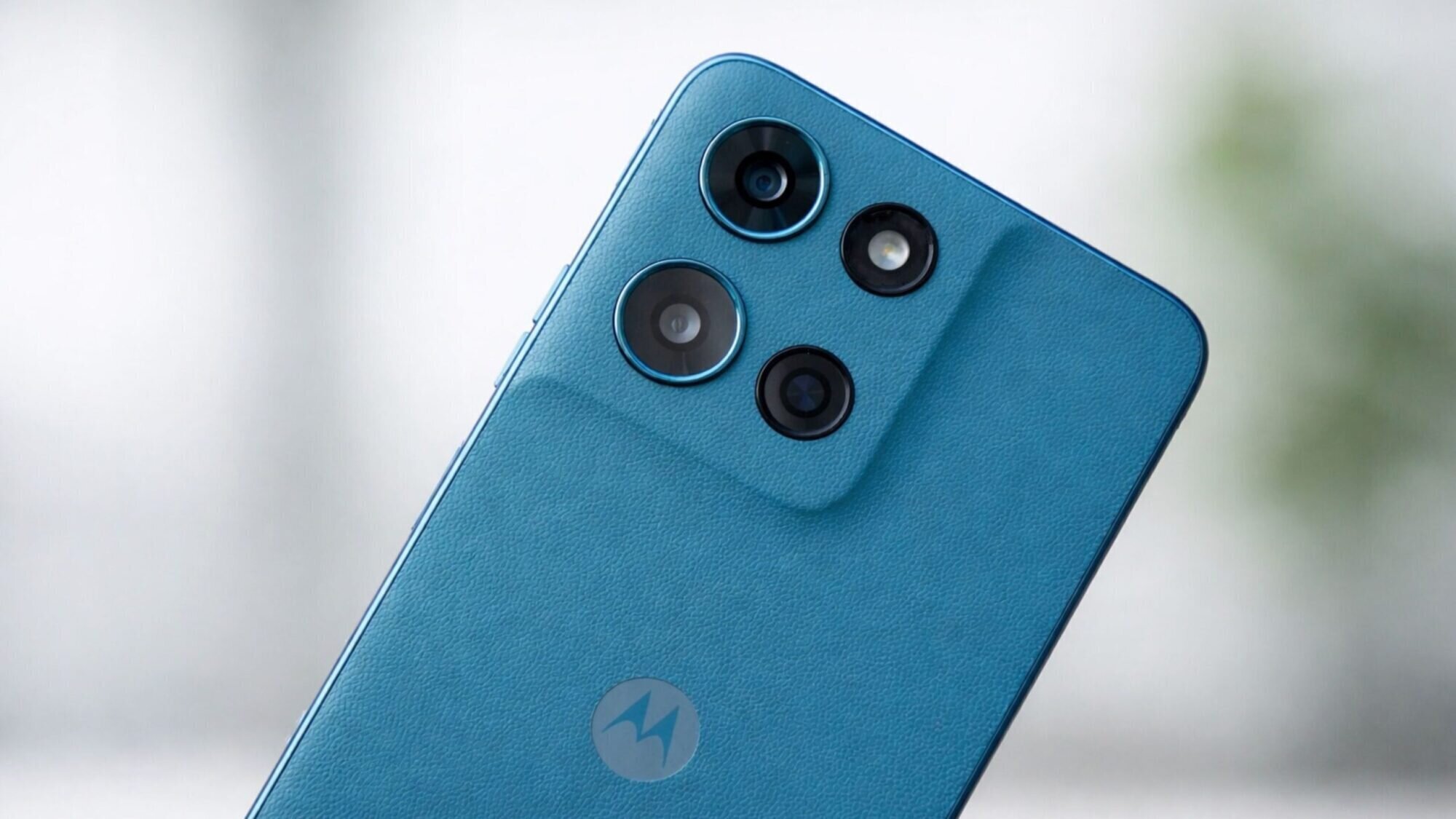
Reclaim The Net is funded by the community. If you support free speech and restoring privacy and civil liberties, please become a supporter here. Thank you. | For years, running a truly hardened mobile operating system meant an awkward compromise: you could escape Big Tech data harvesting, but only by buying hardware made by one of the very companies you were trying to avoid.
That bottleneck has just shattered.
We explore it today.
| 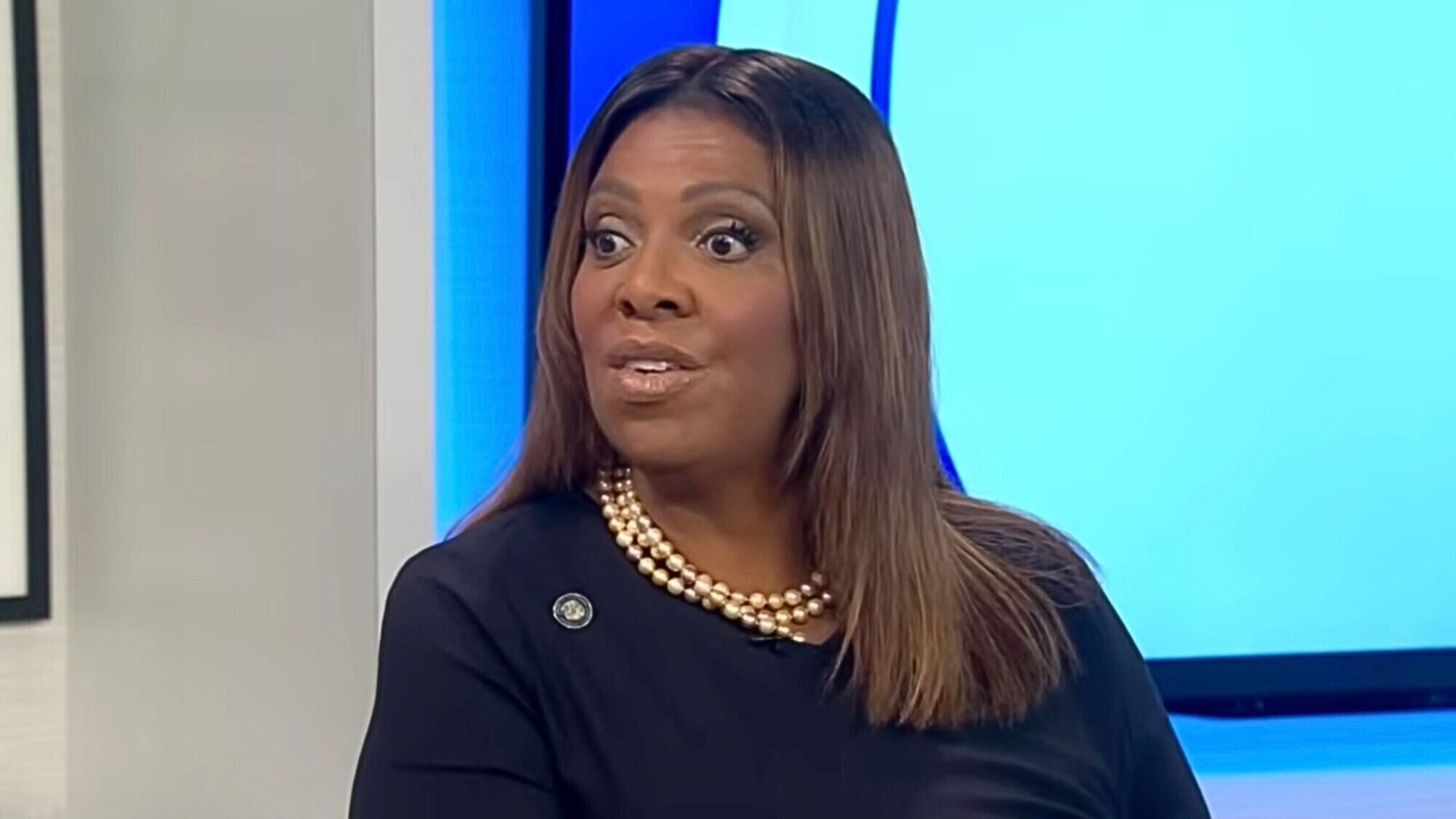 | New York just proposed the most invasive state-level age verification bill the US has seen. Senate Bill S08102 would extend age verification requirements down to the device itself: internet-connected devices, operating system providers, and app stores would all be required to implement what the bill calls "age assurance" before users can access their own hardware and software ecosystems.
We obtained a copy of the bill for you here.
This is more than a social media platform asking for your birthdate. It's your phone, your laptop, your operating system demanding proof of who you are before letting you use them normally.
The bill defines "age assurance" as "any method that can reasonably determine the age category of a user, using methods that reasonably prevent against circumvention."
That deliberately broad language hands significant power to New York Attorney General Letitia James, whose office will write the specific compliance rules under Section 1545.
The methods she's already floated for the existing SAFE for Kids Act give a clear picture of where this is heading: biometric assessment and government-issued ID verification.
James published a Notice of Proposed Rulemaking for the SAFE for Kids Act on September 15, 2025, opened public comments through December 1, 2025, and now has until December 1, 2026, to finalize the rules.
The SAFE for Kids Act itself takes effect 180 days after those final rules drop. S08102 would layer these same requirements onto device-level infrastructure. The AG writes the rules. The AG enforces them. The verification methods the AG already prefers involve your face and your government ID.
Compare that to California's AB 1043, which takes effect January 1, 2027, and a similar Colorado bill. Those laws require operating systems to build interfaces where users self-declare their age, generating a digital age signal shared with developers via a real-time API on request.
That's already a persistent age-tracking layer baked into every device, broadcasting your age bracket to every app that asks. New York's approach goes further: S08102 explicitly allows verification methods drawn from the SAFE for Kids Act's framework, where "commercially reasonable" methods include biometric analysis and government ID uploads.
California asks you to state your age. New York wants to verify it against your face or your passport.
Attorney General James said, "Children and teenagers are struggling with high rates of anxiety and depression because of addictive features on social media platforms. The proposed rules released by my office today will help us tackle the youth mental health crisis and make social media safer for kids and families."
The positioning across every age verification push is consistent: child safety, and a system that verifies your age via government ID links your device usage to your legal identity.
It ties your app activity to your real name. It creates a record connecting who you are to what you do on every internet-connected device you own, stored somewhere and accessible to data breaches, law enforcement requests, and purposes the state hasn't spelled out yet.
The SAFE for Kids Act targets platforms where user-generated content is central and where at least 20 percent of engagement involves feeds tailored to user behavior, a definition covering Instagram, TikTok, YouTube, and most of the modern web.
S08102 extends the verification logic to the operating system layer, meaning the identity check happens before you ever open an app.
New York could have stopped at asking users to enter a birth year. It could have adopted California's self-declaration approach, which was already bad enough.
It chose to build something harder to circumvent and far more invasive, then handed rule-writing authority to an AG whose stated preference is biometric assessment and government documents. The child safety rationale is real. The surveillance infrastructure being constructed in its name extends well beyond any child. | If this coverage matters to you, please become a paid supporter today. The threats to privacy and free speech are only growing, and so is the work required to oppose them. Your support is what makes that possible. |  | A House committee voted Thursday to advance three child safety bills, bundling them toward the floor in a package that passed.
The votes were close: 28-24 for the KIDS Act, 26-23 for the App Store Accountability Act. Sammy's Law also cleared the committee. The Children and Teens' Online Privacy Protection Act (COPPA 2.0) never got a House vote, but the Senate Commerce Committee passed its version unanimously.
The KIDS Act, sponsored by Rep. Brett Guthrie (R-KY), rolls several laws into one. It includes a version of the Kids Online Safety Act (KOSA) stripped of the "duty of care" provision that defined the Senate's bipartisan take on the bill. That provision required platforms to actively mitigate risks to minors. The House version drops it.
Several Democrats voted the package, though largely for the wrong reasons. Their concern was that the bills would block states from passing stronger online protections for young users. KOSA has been introduced in various forms for years without ever passing.
Rep. Alexandria Ocasio-Cortez (D-NY) argued the KIDS Act uses child safety as cover for something else entirely. "What Big Tech lobbyists want is a national surveillance program where they can harvest the private and personal data of every American with zero actual protections for people," she said.
Ocasio-Cortez is right in the sense that the broader project is effectively creating a surveillance network where users of each platform would be de-anonymized on sign-up and their usage tied to a real-world ID. However, it's largely a project of governments that are pushing for this. Some Big Tech players are actually against it.
Ocasio-Cortez called out Discord specifically, which delayed age verification plans after user backlash over privacy and security concerns, and over its partnership with third-party verification platform Persona.
"[Discord] tried to roll out this idea of a data verification or an age verification technique, but they did it in this way that was also very emblematic of what we're against here today," Ocasio-Cortez said. "What's more shocking is that Discord made the decision to move forward with this after they had been hacked, and at least 70,000 users had their data stolen."
Discord acknowledged last year that a number of government ID images were exposed in a hack affecting a third-party customer service provider it has since dropped.
The package includes age verification requirements for app store downloads, purchases, and access to adult content online. The KIDS Act also restricts platform design features that "result in compulsive usage" and requires AI chatbot makers to tell minors they're talking to a machine, not a person.
The App Store Accountability Act adds age gating at the app store level, aiming to stop minors from downloading age-restricted content before they ever reach a platform. Sammy's Law would require large social media companies to let parents manage their child's account and interactions through a third-party tool.
Age verification at the app store level has become a proxy war between competing tech interests. Meta supports it because it shifts the compliance burden away from their platforms. Apple and Google are lobbying against it. The same fight has played out in Utah and Louisiana.
The child safety framing is the excuse here. These bills create a substantial data collection infrastructure in the name of protecting minors. Age verification at scale means platforms, app stores, or third-party services collecting identity documents from millions of users, storing them, and eventually losing them to breaches.
Discord's experience is the predictable outcome of building these systems. The question of who holds that data, under what legal protections, and what happens when it leaks is less prominent in the debate than the bill sponsors would prefer. Vague mandates to prevent design features that cause "compulsive usage" and regulators' broad authority to define what counts.
Infinite scroll. Notification badges. Recommendation algorithms. All of these could fit the definition, applied selectively or expansively depending on who's doing the applying. | Getting merchandise for yourself or as a gift helps support the mission to defend free speech and digital privacy.
It also helps raise awareness every time you wear or use it.
Your merch purchase goes directly toward sustaining our work and growing our reach.
It's a simple, effective way to support. Get yours now.
|  | Roblox has started rewriting its users' chat messages in real time using AI, altering what people actually typed into something the platform considers more appropriate.
The feature, rolling out now, goes further than the existing filter that replaces flagged words with "#" symbols. Under the new system, banned language gets silently reworded into what Roblox calls "more respectful language that remains closer to the user's original intent."
The platform's example: type "Hurry TF up!" and the message your recipient sees reads "Hurry up!" Roblox says everyone in the chat is notified when this happens, though the person who typed the original message has no way to stop the substitution before it goes out.
The definition of "banned language" extends beyond profanity. It covers "misspellings, special characters, or other methods to evade detection of profanity," meaning the AI is also tasked with catching deliberate workarounds and rewriting those too.
Roblox is simultaneously expanding its text filtering system to "detect more variations of language that break its Community Standards," so the net is getting wider at the same time, and the consequences of being caught in it are changing.
What Roblox has built is a system that goes beyond blocking speech. It replaces it. The message that leaves your keyboard is not the message that arrives. The recipient reads words you didn't choose, attributed to you, with a notification that your original phrasing was deemed unacceptable. The platform decides what you said.
For now, the feature applies to "in-experience" chats between age-verified users in similar age brackets, and to conversations with "Trusted Connections," a feature for users 13 and older who've completed an age check and connected with people they know. Roblox started requiring age verification for chat features last month. Once verified, users can talk with players in adjacent age groups: the 9–12 bracket can chat with the 13–15 bracket, and so on.
Minecraft filters profanity too, but its approach is more honest about what it's doing. Flagged words get replaced with symbols, or the message gets blocked. The words you typed don't reappear as different words under your name. Roblox's system does something categorically different: it puts words in your mouth.
A system that rewrites what users say in real time, without consent, trained on definitions of "acceptable language" written by a private company, and expanding to catch more variations of speech the platform dislikes, is a significant piece of infrastructure. It starts with profanity. The architecture works the same way for anything else the platform decides to flag. | 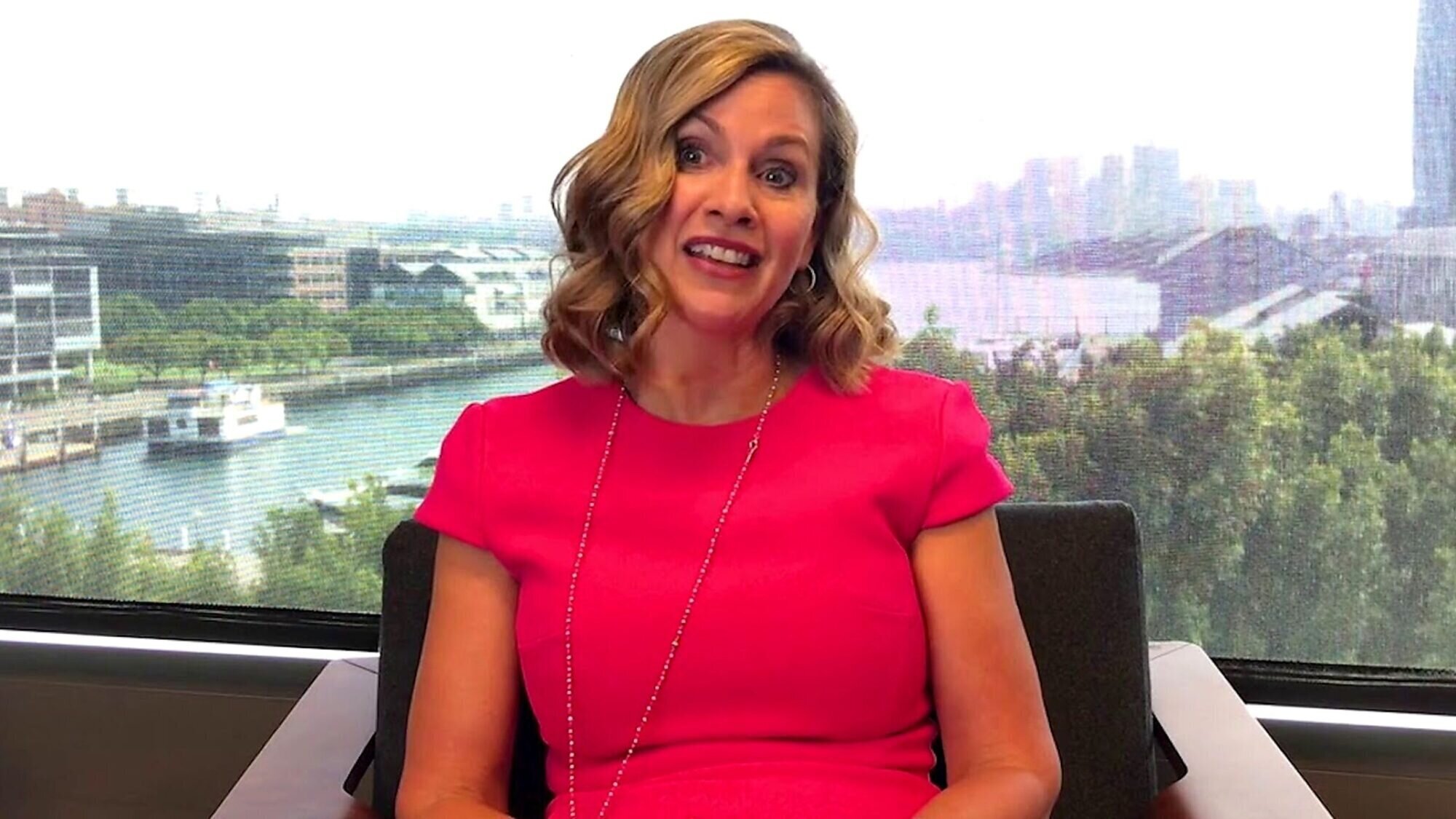 | Australia's eSafety Commissioner Julie Inman Grant is threatening to go after app stores and search engines unless they block AI services that haven't verified their users' ages by March 9, 2026.
The ultimatum landed after a Reuters took it upon itself to survey 50 leading text-based AI platforms, and found that 30 of them had taken no visible steps toward compliance with the country's controversial censorship and surveillance ideas.
"eSafety will use the full range of our powers where there is non-compliance," a spokesperson said, spelling out that this extends to "action in respect of gatekeeper services such as search engines and app stores that provide key points of access to particular services."
What's actually being built here is bigger than age verification. Five industry codes taking effect March 9 under Australia's Online Safety Act 2021 impose age-gating requirements across a wide range of services: AI platforms, app distribution services, social media, gaming, dating apps, and any website deemed high-risk for pornography, extreme violence, or self-harm content.
Every category gets its own code. Each non-compliance carries fines of up to A$49.5 million (around US$35 million). The system isn't aimed at one corner of the internet. It covers most of it.
The age verification requirement doesn't stand alone. Under a separate amendment to the Online Safety Act passed last year, social media platforms must already ban users under 16 entirely.
The March 9 codes extend that logic further, requiring services to verify the identity of users and filter what they can see based on age. The infrastructure being assembled connects age to identity to content access across the internet as Australians currently use it. | If this coverage matters to you, please become a paid supporter today. The threats to privacy and free speech are only growing, and so is the work required to oppose them. Your support is what makes that possible. | | Thanks for reading,
Reclaim The Net
| | | |